Meritage Homes
One video request. A brand's entire opportunity.
Nobody asked me to build a brand system. Meritage asked for a video — spray-foam insulation, energy-efficient HVAC, thermal boundaries, real science that's easy to make dry. I built the system anyway, because a single video was never going to carry a brand on its own.
Good product. A pitch that undersold it. Nobody stays engaged through a lecture, no matter how good the technology underneath it is. And the real opportunity wasn't the video — it was everything around it. Like a lot of category leaders, Meritage had strong strategic instincts that hadn't fully made it into execution yet: every touchpoint pulled from a different stock library, with no single visual thread connecting any of it. I flagged that before we shot a single frame.
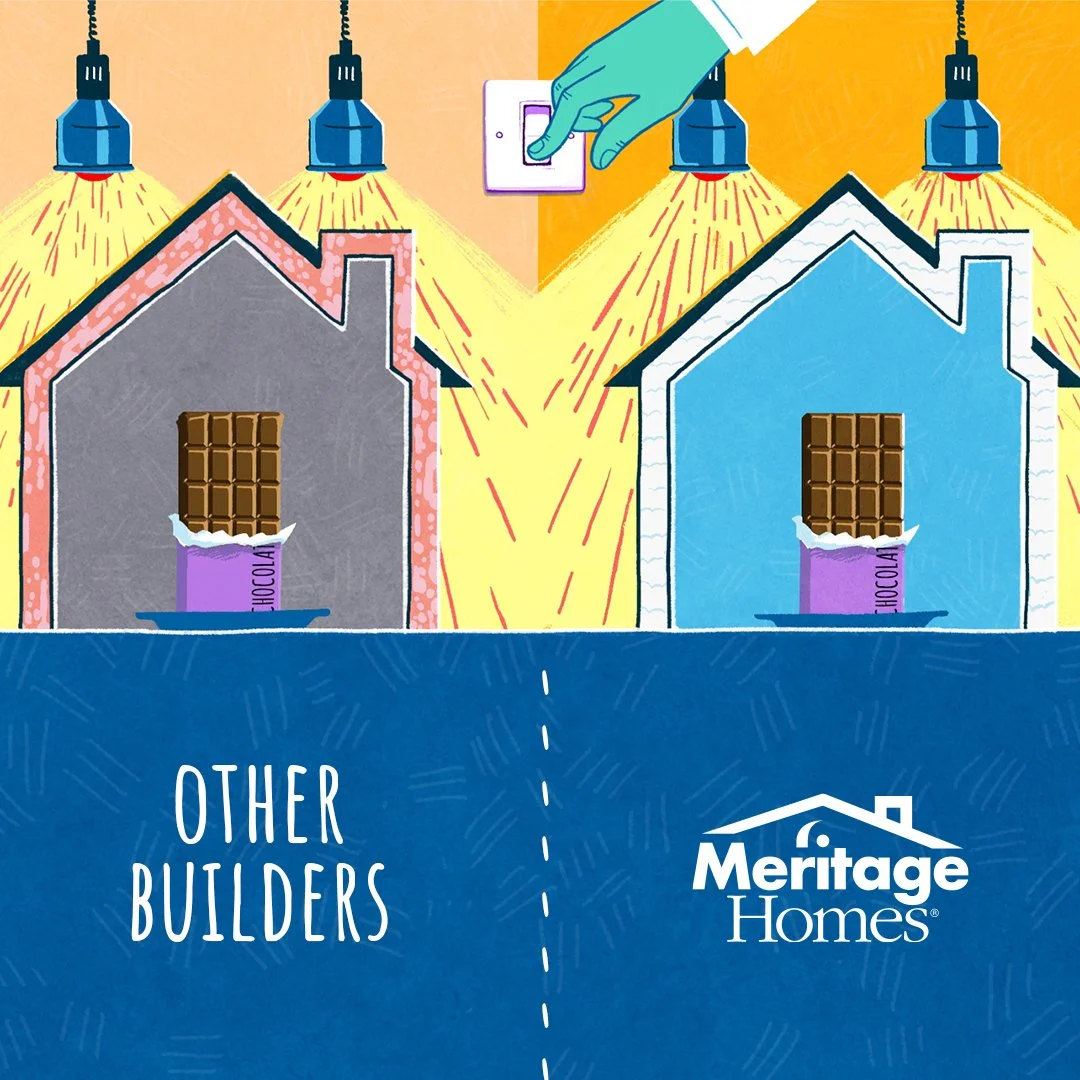
THE PIVOT: ONE SYSTEM, EVERY TOUCHPOINT
An original illustration style became the fix — distinct enough to own, flexible enough to run across video, signage, and social without booking another photoshoot every time someone needed a new asset. Not a video anymore. A visual language the whole brand could finally speak.
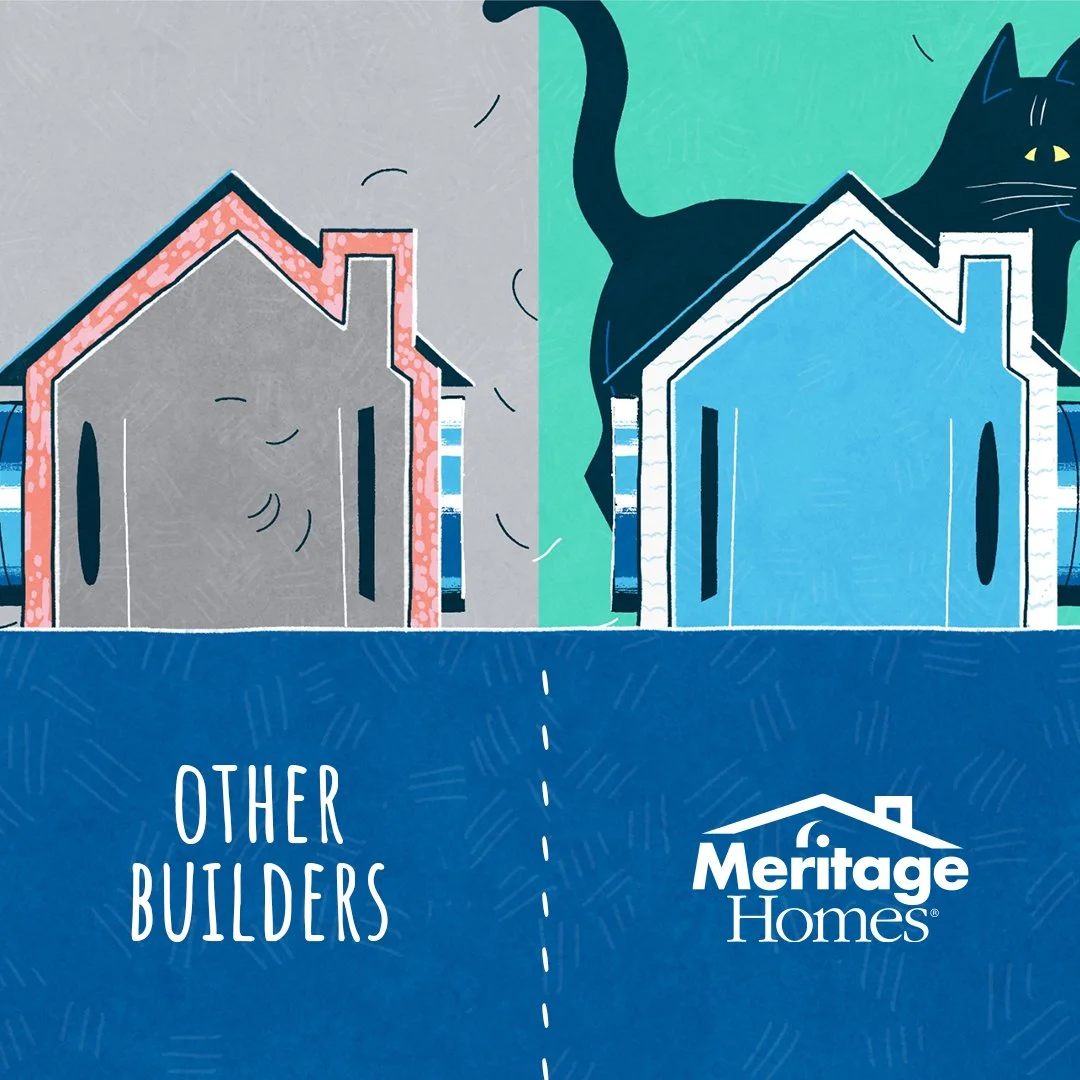

SCIENCE, MADE WATCHABLE
One shoot ended up doing three jobs for the brand, not one.
Cut for speed: The same footage got recut into pre-roll, Facebook clips, and native social stories — built for platforms where nobody watches past three seconds.
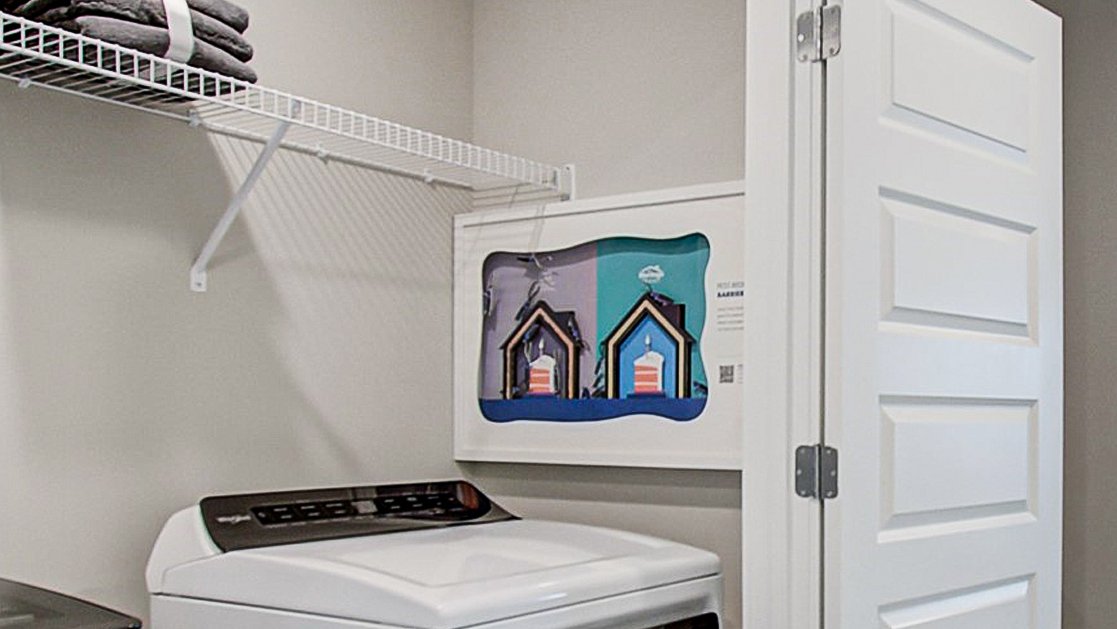
A pull for the wall: The sign package was headed for the same fragmented stock-photo look as everything else — until the video sold Meritage on something better. The whole kit was pulled from it, and every illustration since starts from that same foundation.
Proof, round two: CR — their in-house engineer, the science expert who works with legal to figure out how to make every claim stick — is now on camera himself, running the real experiments.
Full On-Site Experience Video Edit (3:00)
0:00 The Ask
0:35 The System
1:15 Inside the Walkthrough
2:00 The Science, Explained
2:40 Why It Worked
THE NEAR MISS
None of what you just watched was a guarantee. It almost didn't survive its own production. The vendor building the illustrations delivered work that wasn't close to shippable, days before we were locked into a deadline that couldn't move. I took it straight to the VP of Production instead of letting it slide through. There's a version of this case study where the rough draft is what shipped. This isn't that version.

Rejected Draft
Final Shipped
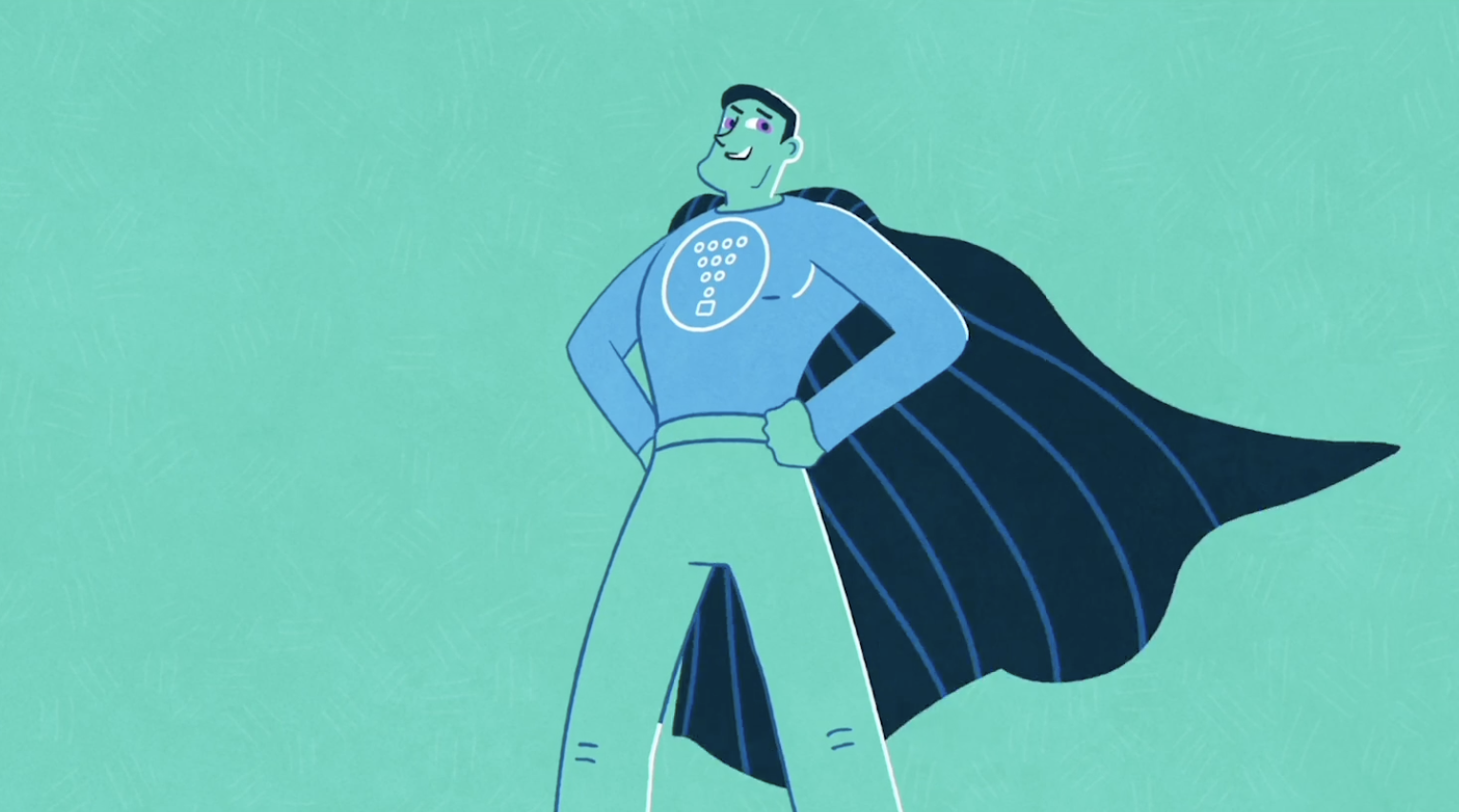
Vendor delivery, days before deadlineIllustration style used across the brand
Rejected Draft
Final Shipped
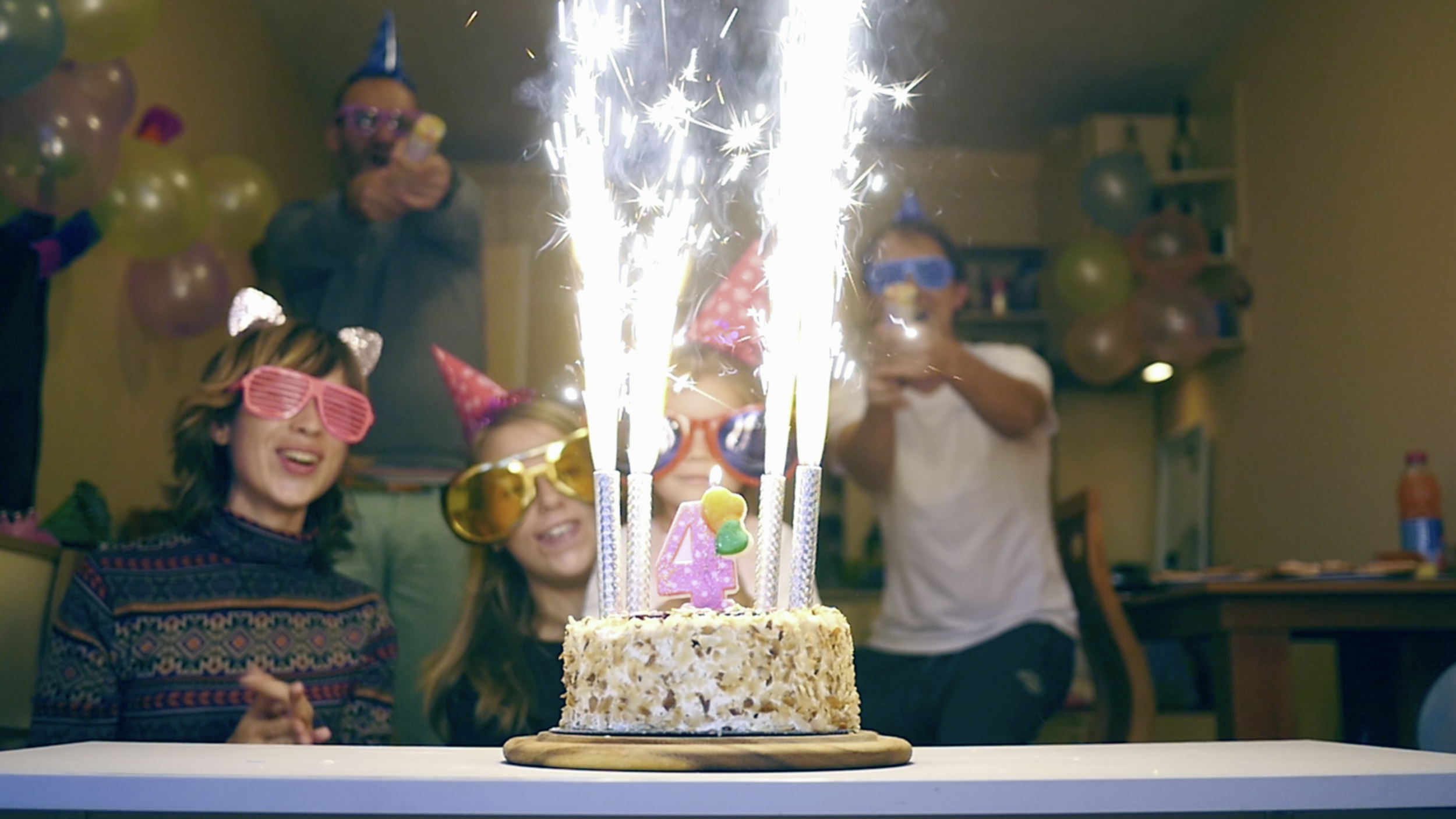
Lifestyle footage, used instead. It runs in the video right after the roach-test graphic.An earlier rejected frame.OFF THE SCREEN, INTO THE HOUSE
The system had to survive contact with an actual house, too — a live walkthrough built for the Arizona market, the same instinct I'd sharpened years earlier running Walmart experiential activations. I cut the signage plan down hard. A tour crowded with messaging isn't a tour, it's noise with a floor plan. Less signage, more system — that's what people actually walked through. We also brought the QR code back from the dead, over the NFC pitch on the table, because phones had just made scanning native — no app, no friction, no explaining to a homebuyer standing in someone's future kitchen why they need to tap their phone to a wall.
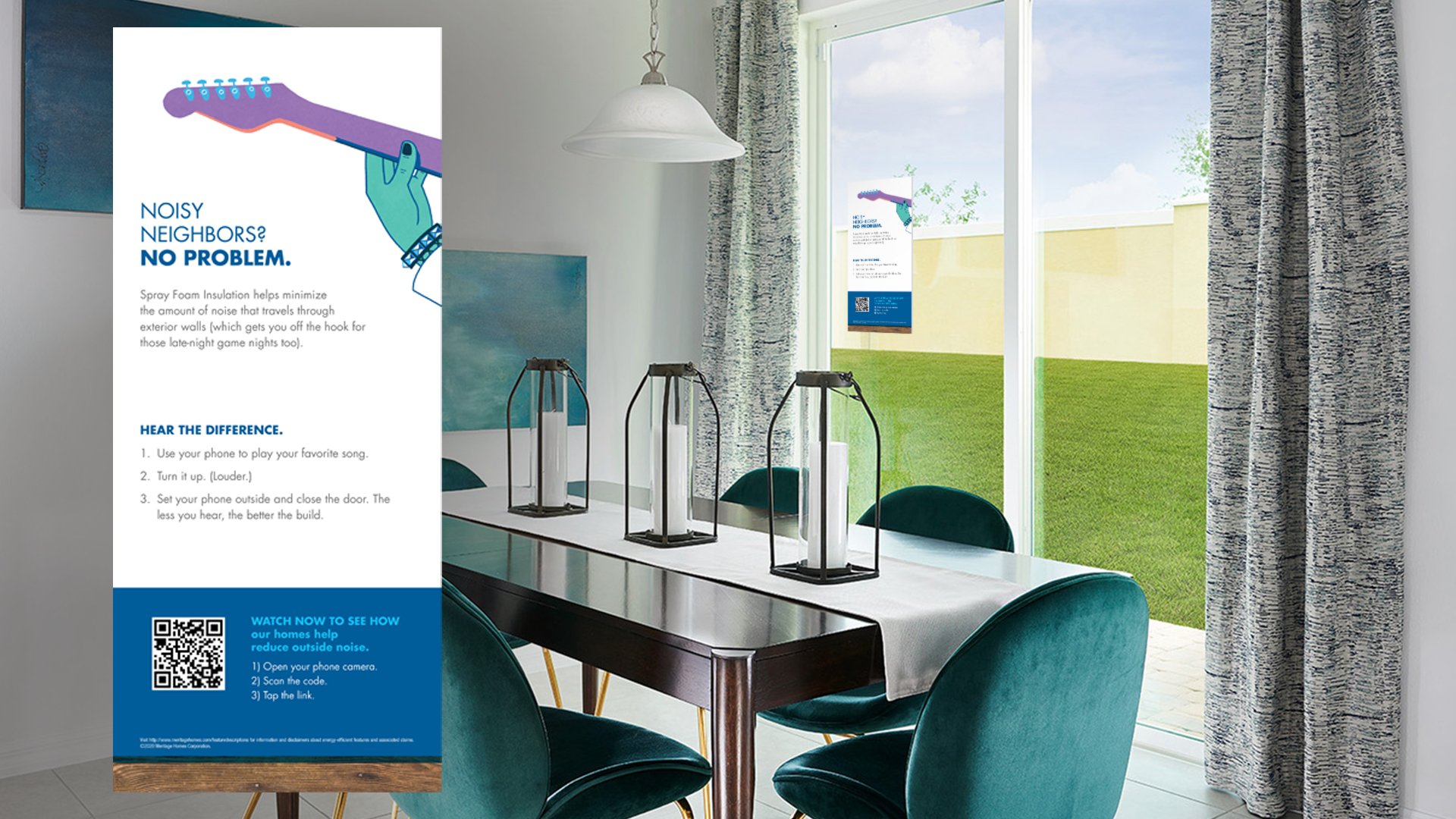
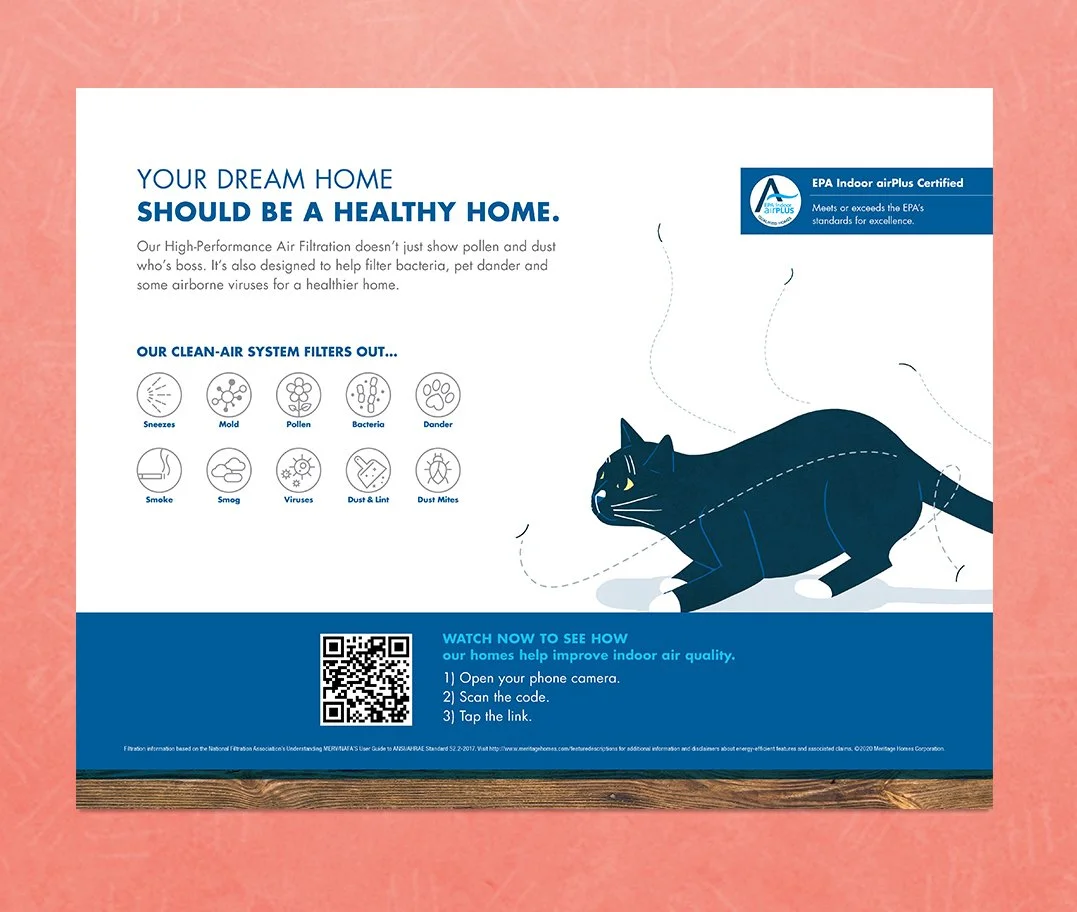
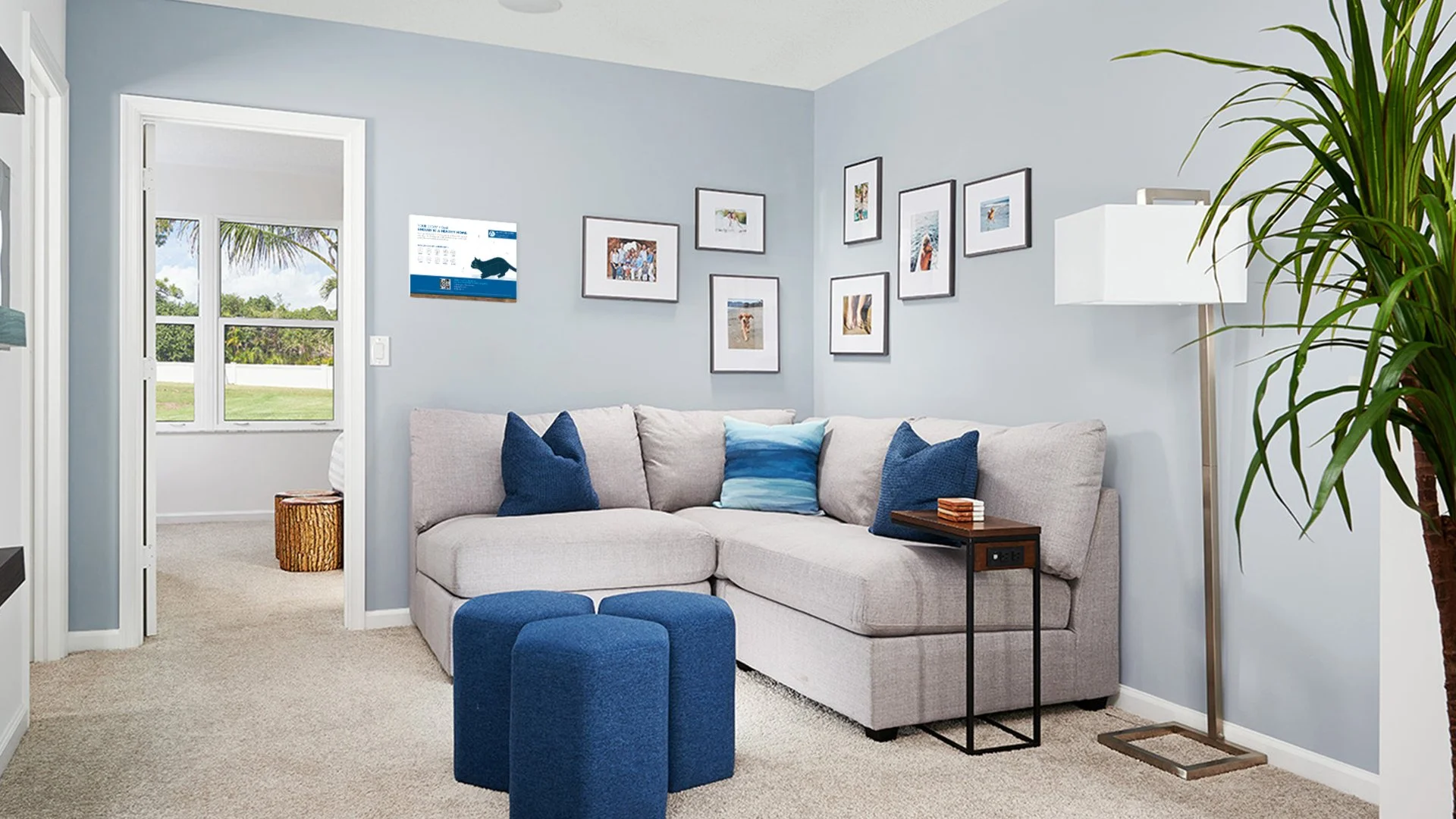
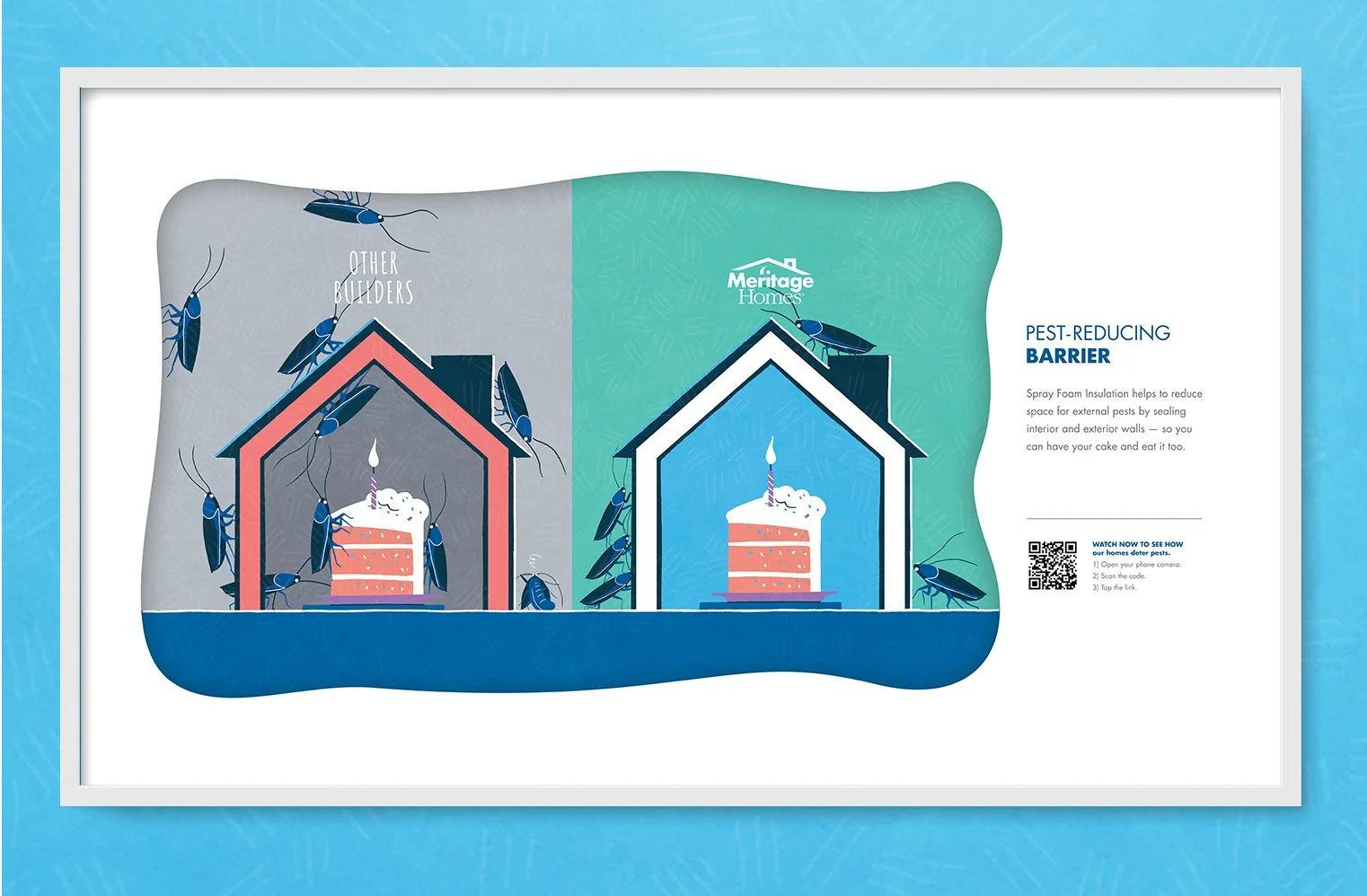
STILL ART. NOW IT WORKS.
A designer on the team fell in love with monochromatic paper art before it had a job to do. I told him it needed to earn its keep first. What we landed on kept the whole aesthetic — the same white paper cutouts became the frame itself, a quiet canvas around the color system we'd built from scratch. Still art. Now it also disrupts a home tour without adding to the noise.
KEEPING IT REAL (LITERALLY)
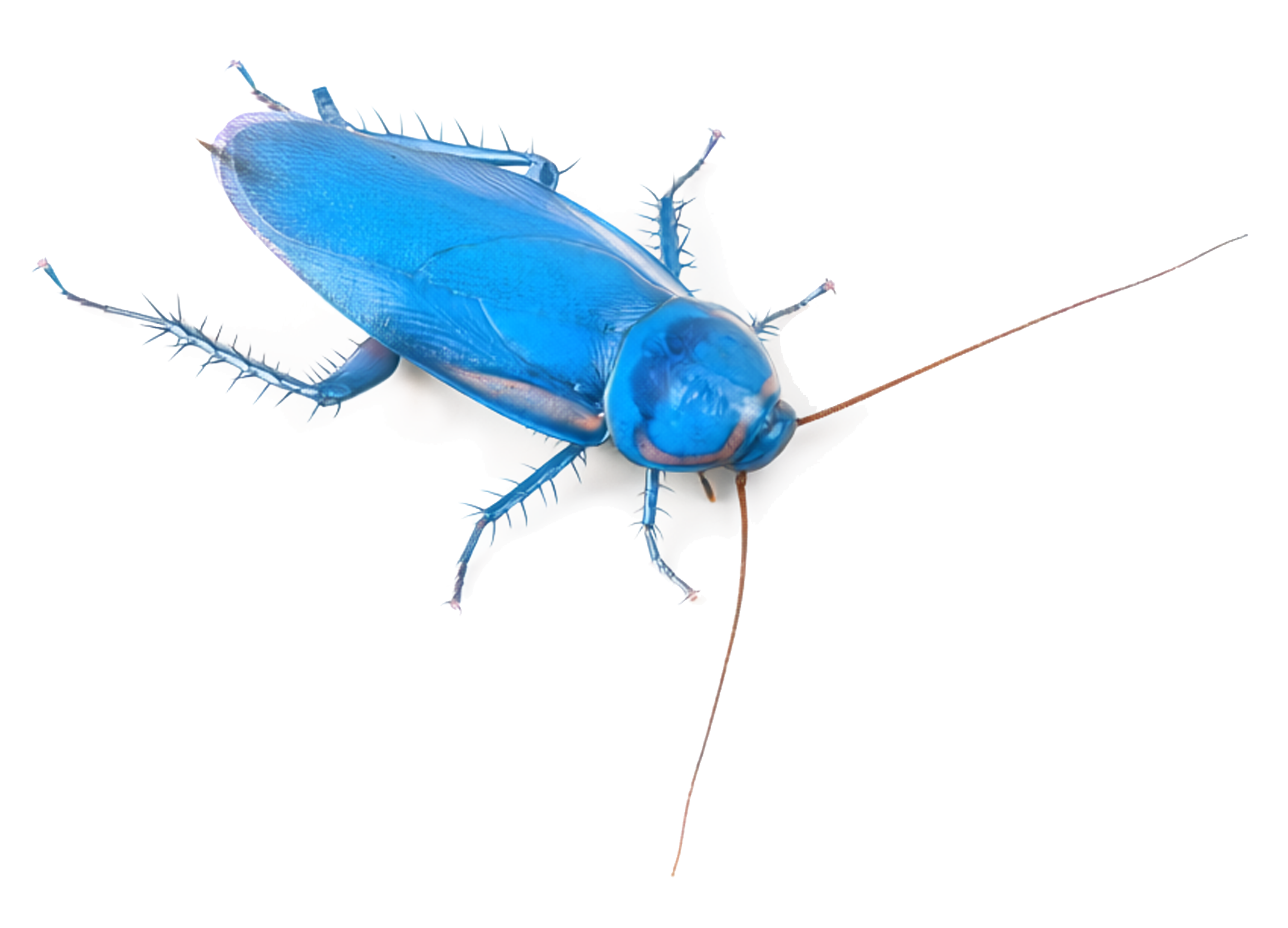
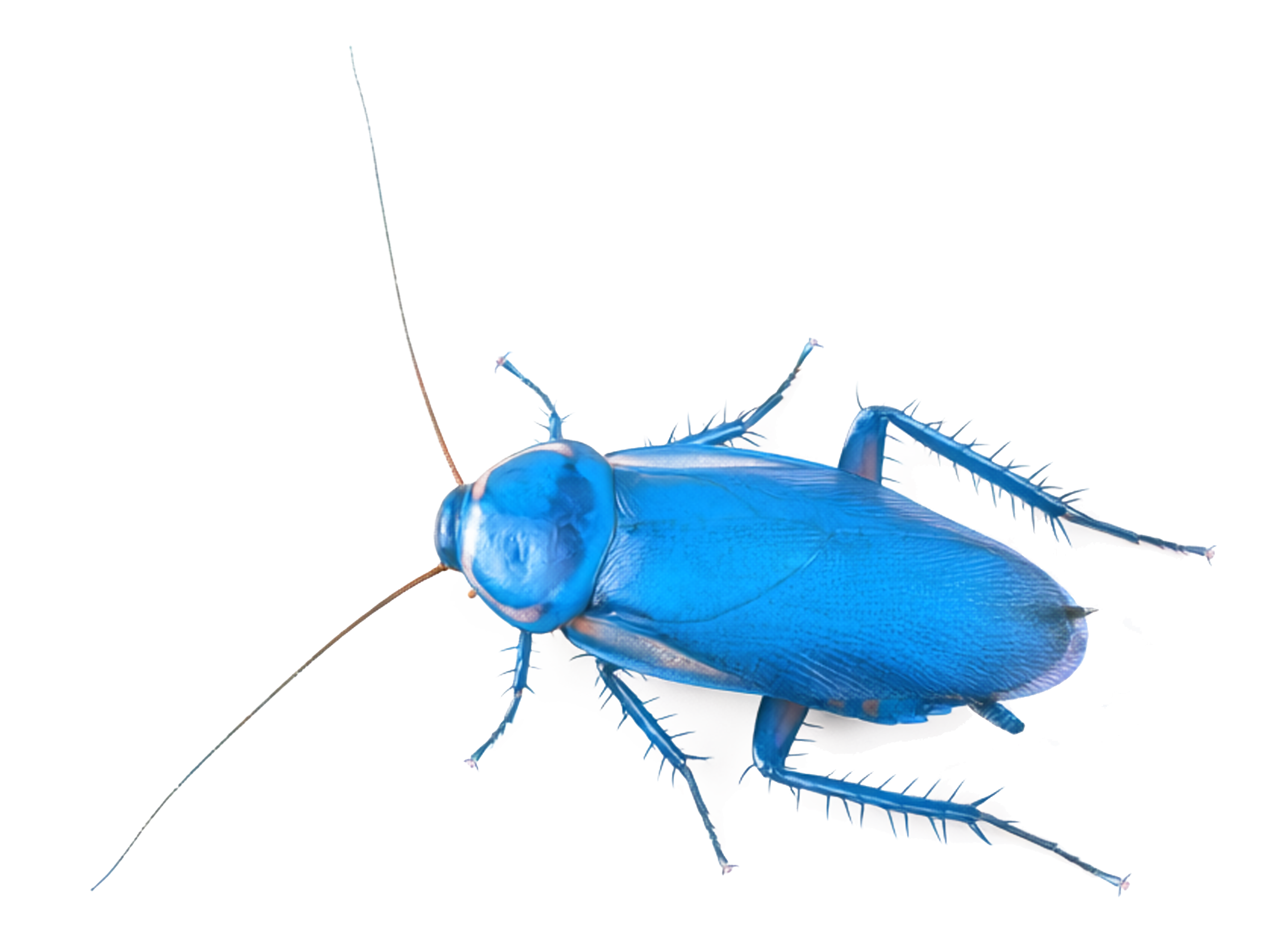
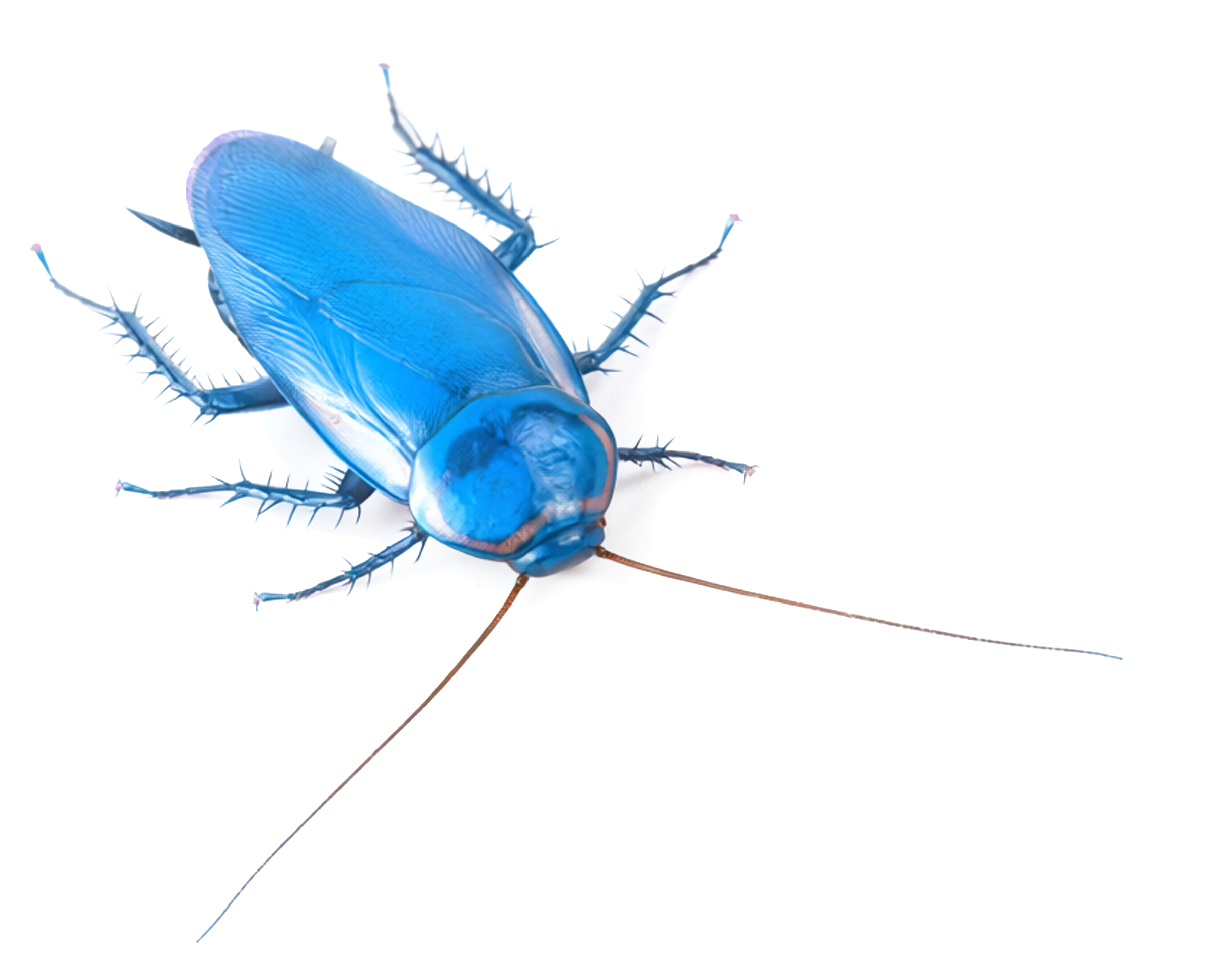
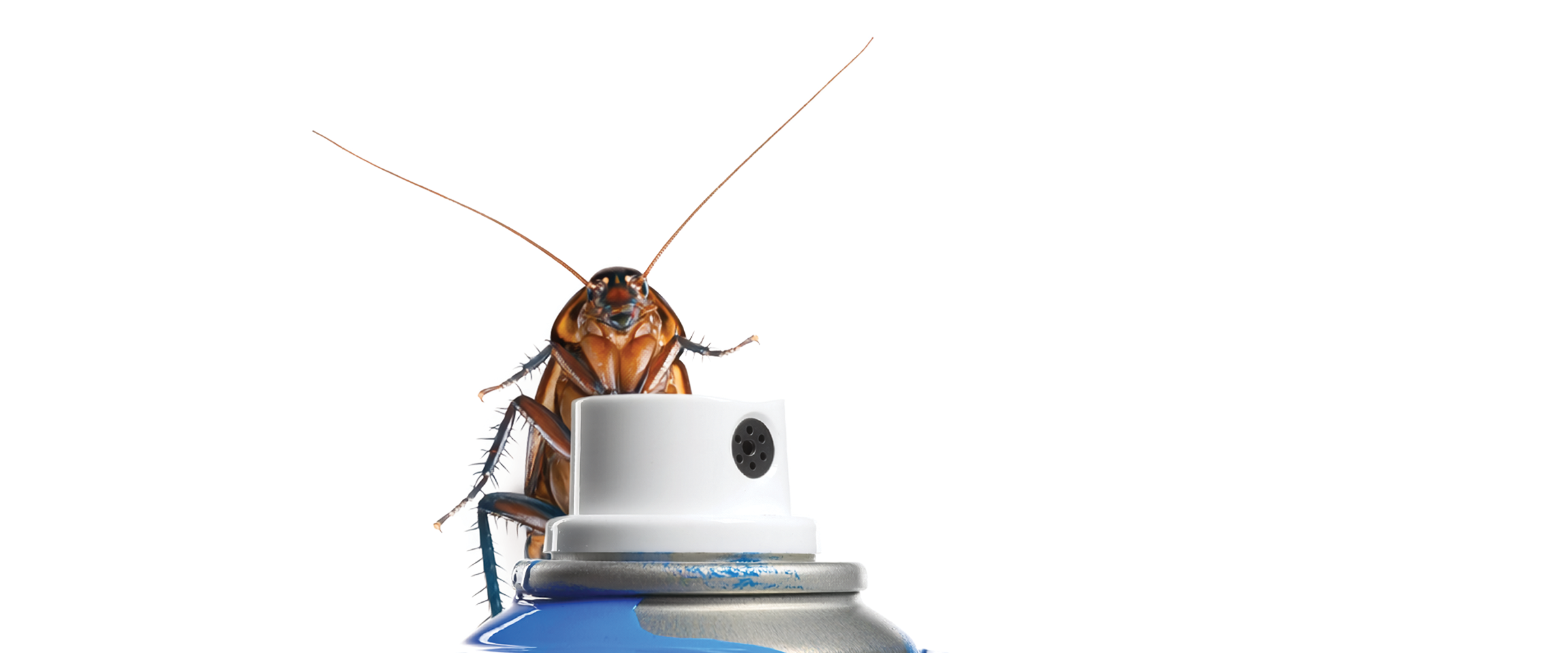
This is the real roach test, sped up. The video's own graphics call it "an army of little roaches" — it was closer to a hundred, released from a mayo-jar-sized container onto a pair of matching model homes, one in spray foam and one in fiberglass, food waiting on the far side of each. Fiberglass lets them through. Foam doesn't. Same test as the pest sign, just proven instead of illustrated.
I directed that test live from Detroit: multiple camera feeds, a private line for my agency team, the client on their own, and the vendor's line open so I could call every take. The jar got opened on the other side of the country. The next three ran the same way: real instruments, real houses, no dramatization needed.
Heat, the same format: a lamp standing in for the sun, a thermometer on each wall. The typical-insulation side climbed to 104.2°. Spray foam held at 75.0° — 29 degrees cooler, with nothing but the wall doing the work.
Air quality: a fan pushing dust at each house, a meter reading what got in. The typical-insulation side maxed out the meter — 85,364 particles, rated Hazardous. Spray foam let through 270, rated Good.
Noise: a meter on each wall, a speaker doing the shouting. The other builder's wall let 81.4 decibels through. Ours let through 66.5.
Every test was staged — that was the point. The results weren't. No doctored readings, no recreated footage, just the numbers the meters gave us. The rest of the reel held that standard: Bill-Nye-energy segments built to run on their own or loop through the walkthrough.
Meritage walked in asking for a deliverable and walked out with a system — because sometimes the job is seeing where a brand can go before the brief catches up to it.